“Before booking a skin treatment in NYC, ask about provider credentials, skin tone safe technologies, total treatment costs, recovery time and required follow up care. Understanding these factors helps you avoid unnecessary expenses, reduce risks and choose a reputable clinic that prioritizes safe, effective results.”
New York City is home to some of the most talented dermatologists, plastic surgeons and facialists in the world. Skin treatments NYC launches, it almost always lands in a sleek Manhattan clinic before anywhere else. But navigating this hyper competitive market requires a healthy dose of skepticism. The sheer density of medspas in the city means businesses compete aggressively for your wallet. It is incredibly easy to walk in for a simple, hydrating facial and walk out having committed to a four figure laser package you do not actually need.
Fast paced NYC lifestyles and a culture that values perfection put great strain on appearance. We often want instant skin fixes when we gaze in the mirror. We forget that our environment greatly affects our skin. NYC skin faces microscopic subway soot, significant air pollution, variable seasonal weather and high stress routines that raise cortisol. This compromises your skin barrier, making it exposed to aggressive, unsuitable therapies.
Credentials and Technology: What to Ask First
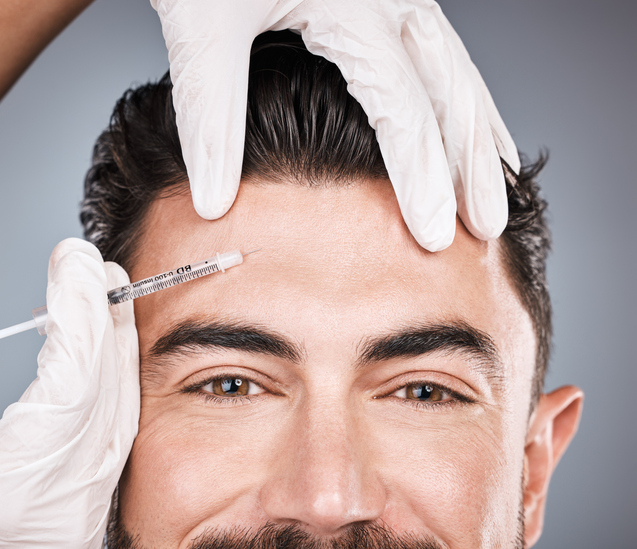
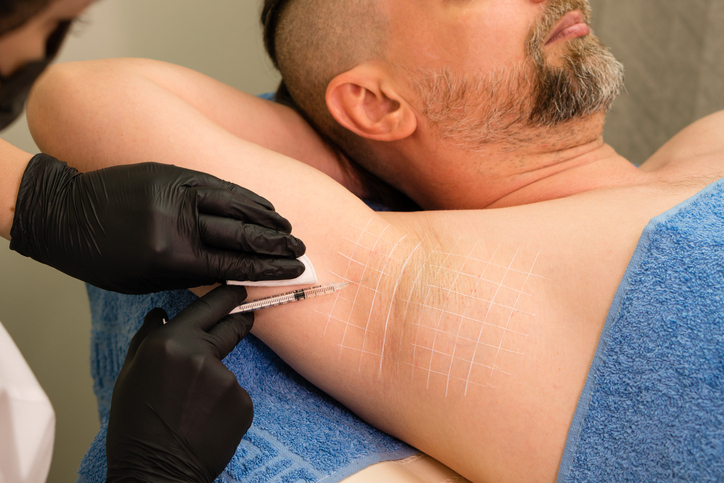
The first and most critical question you must ask is: Who is actually operating this device or performing this injection? Do not be fooled by a famous doctor’s name plastered on the awning or a glossy website featuring a celebrity dermatologist. In New York State, medical directors can legally oversee multiple medspas without ever setting foot inside the actual treatment rooms.
Checking the practitioner’s credentials is crucial. Board Certification in Dermatology, approved Physician Assistant Program training, nurse Practitioner certification. If skin laxity is your primary concern, check out this guide on saggy skin solutions and rejuvenation treatments that actually tighten to learn which technologies deliver the best results. Aestheticians are great superficial peels and facials, but deeper procedures like High Intensity Lasers and injections require additional clinical expertise to avoid complications.
The second technical question to ask is: Is this device safe and effective for my specific skin tone, or is it just the machine you happen to have in the office? This question is vital because the aesthetic industry has historically underserved deeper skin tones. Certain heat based lasers and aggressive resurfacing tools can trigger severe post inflammatory hyperpigmentation or permanent scarring in individuals with higher melanin content.
An established New York City provider will provide complete openness regarding all of their laser devices’ safety. Every clinic that provides treatments using an Nd: YAG, such as a picosecond laser system, should indicate clearly which skin types are acceptable for use with their laser equipment. If the provider only has a particular laser type and states that it is effective for all skin types and all conditions, this is an important indication that they may not be good choice for you. A competent practitioner will readily suggest another colleague if they do not carry the right laser equipment necessary to treat your type of skin safely.
Hidden Costs: Calculating Real Downtime and Expenses
Marketing campaigns often use term zero downtime to encourage busy New Yorkers who do not want to miss work or social events to undergo cosmetic procedures. You should ask yourself, What will my social downtime actually look based on my schedule?
Medical and social recovery times are not equivalent, although you would not be lying in bed following an appointment, your face could still be red/peeling/sunburnt with possible minor bruising for 5 days after the procedure.
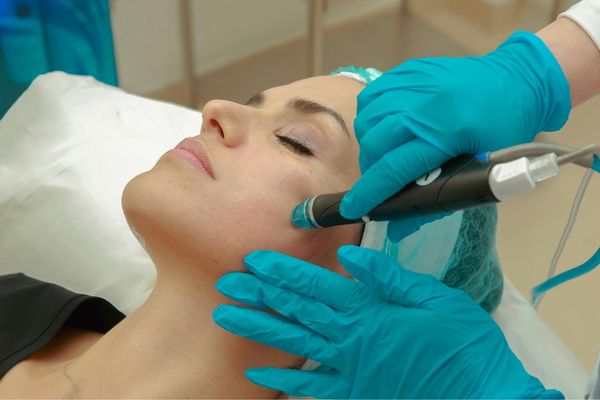
As establish your daily schedule, consider where would walk, take transit and attend meetings following your procedure. Ask your provider if acceptable to wear cosmetic products the day after microneedling or fractional laser therapy and if there are restrictions on sun exposure following treatment. The communication between you and provider will allow both parties to have proper expectations, helping to avoid last minute cancellations due to side effects.
- The Session Multiplier: Most non invasive skin treatments, including skin tightening radiofrequency or collagen inducing microneedling, require a series of three to six sessions spaced weeks apart to deliver noticeable, long term results. A single session is rarely a silver bullet
- Mandatory Post Care Products: Aggressive treatments strip your skin barrier. Clinics will often require you to purchase specific, medical grade healing balms, gentle cleansers and mineral sunscreens to use during your recovery phase. These bundles can easily add an extra $150 to $300 to your bill
Red Flags: When to Walk Out of an NYC Clinic
Navigating the local aesthetic scene requires sharp instincts. One of the biggest red flags is the group coupon or extreme discount trap. High quality laser machines cost six figures to purchase and thousands of dollars a year to maintain and calibrate. Furthermore, highly skilled medical professionals command competitive compensation. If a clinic is offering medical grade treatments at a fraction of the standard market rate, they are cutting corners somewhere usually on equipment maintenance or staff training.
Another massive red flag is the high pressure sales pitch. If a clinical coordinator pushes you to sign up for a costly multi session package while you are still sitting in the chair with numbing cream on your face, prepare to leave. Medical aesthetics should be rooted in healthcare, not high pressure commission structures. You should always be given the time and space to think over a treatment plan at home without feeling rushed.
Conclusion
Finally, avoid any business that skips proper consultation. If a clinic takes you from the reception desk to a treatment room without a skin analysis, medical history or topical skincare routine, leave. Prescription retinoids and other drugs can cause significant skin rips and burns during a procedure if not checked.